All resources

Present your work

Mockups

Clean device, packaging, print, apparel and branding mockups designed to present work without visual clutter.

PSDFIG

Curated catalog

3 mockups entries

Fast Food Packaging Box Mockup preview

Mockups

Fast Food Packaging Box Mockup

PSD

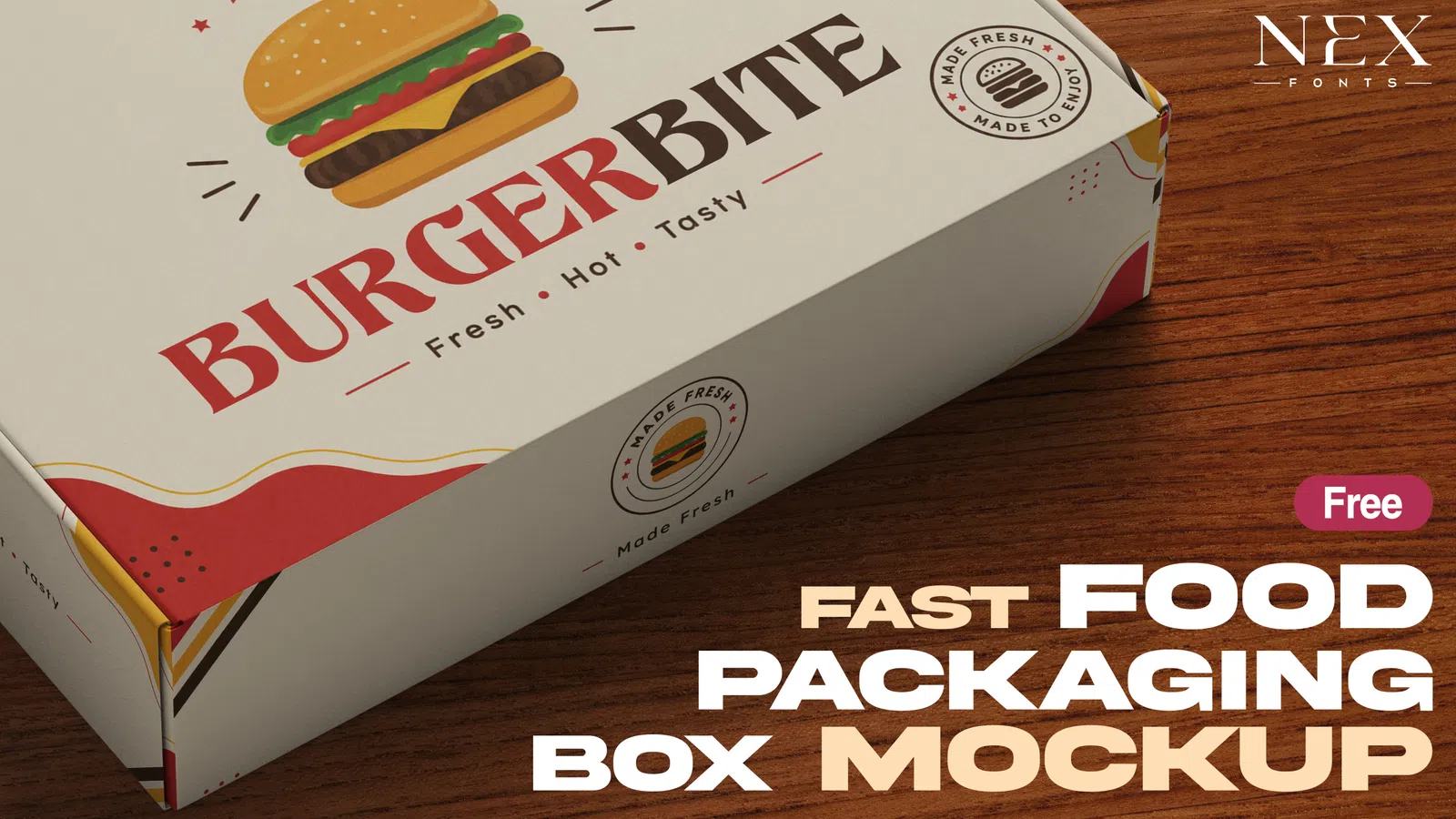
Fast Food Packaging Box Mockup is an editable Photoshop presentation file for placing restaurant, takeaway or food-brand artwork onto a realistic packaging box scene while preserving perspective, shadows and material detail.

View resource Download-ready PSD
ID Card Badge Mockup preview

Mockups

ID Card Badge Mockup

PSD

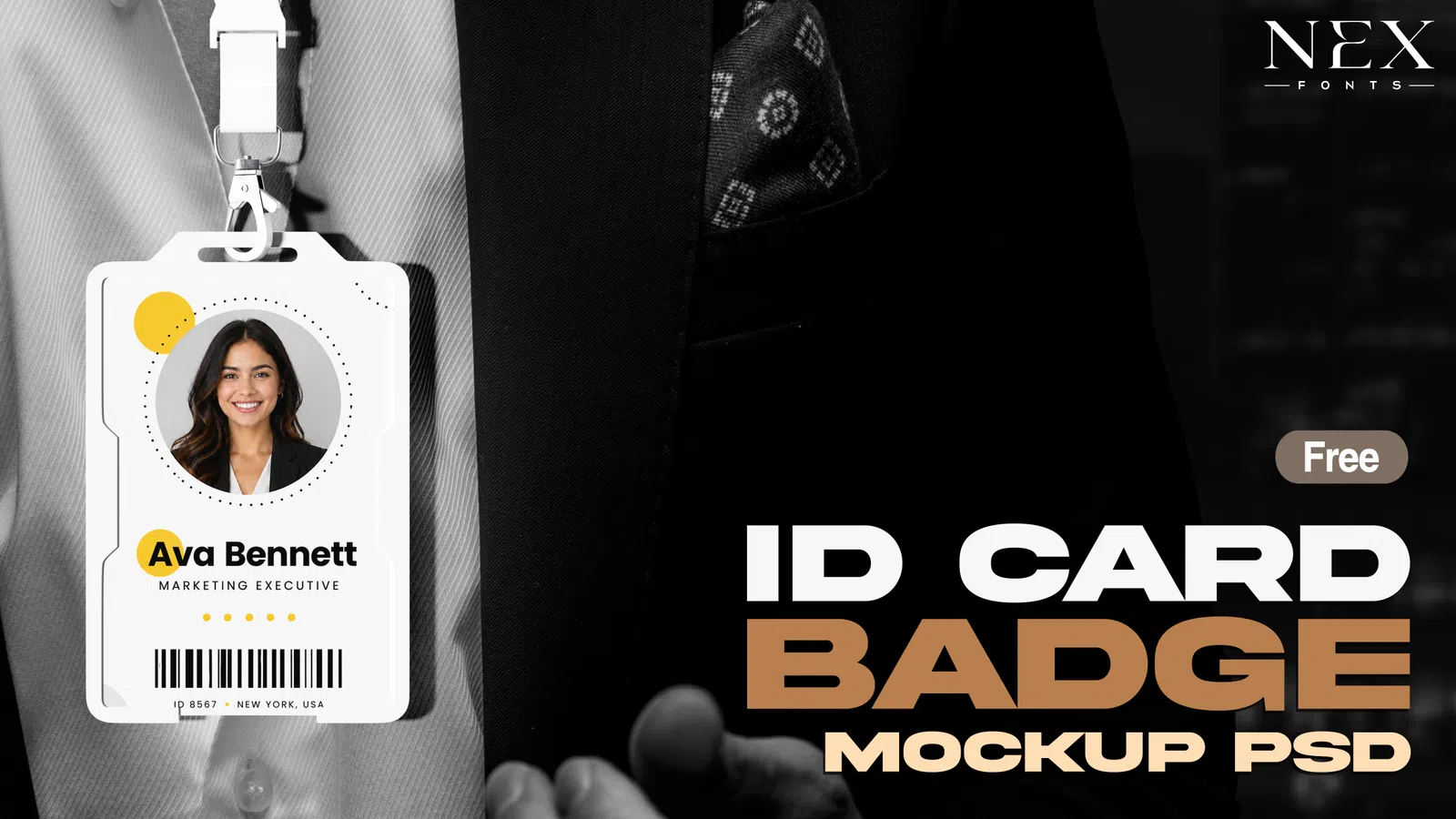
ID Card Badge Mockup is an editable Photoshop presentation file for showing identity-card, staff badge or event-pass artwork in a realistic worn-badge scene with clear attention to logo, portrait and small-text legibility.

View resource Download-ready PSD
Tote Cloth Bag Mockup preview

Mockups

Tote Cloth Bag Mockup

PSD

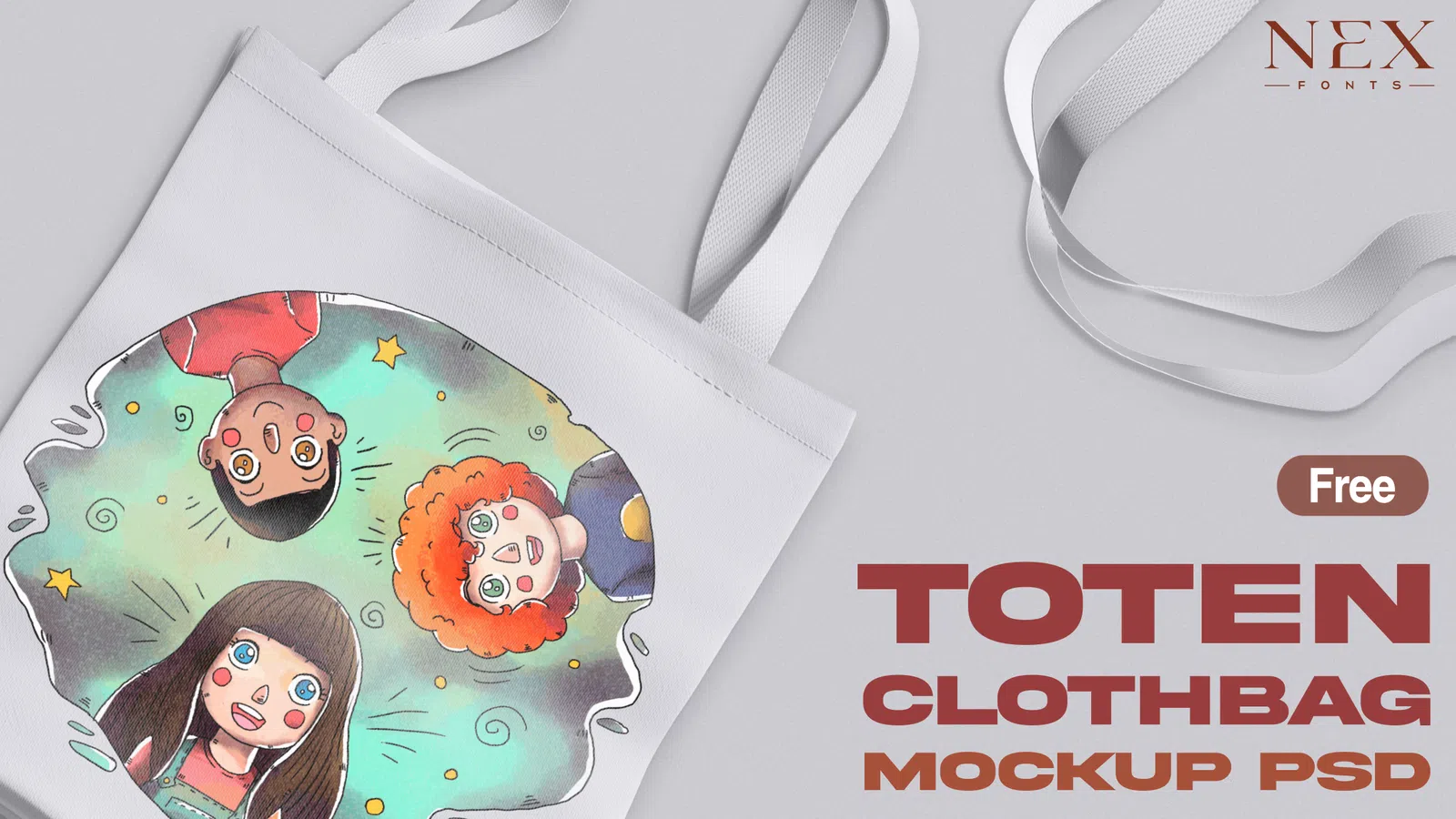
Tote Cloth Bag Mockup is an editable Photoshop presentation file for previewing logos, illustrations and campaign artwork on a fabric tote scene while keeping placement, folds and material texture believable.

View resource Download-ready PSD

Resource guide

Mockups that present design work without hiding it

Mockups help clients and audiences understand how a flat design could look on a device, package, poster, garment or printed object. A strong mockup supports the work with believable perspective, lighting and material detail while keeping the actual logo, interface or artwork easy to evaluate.

For portfolio and client presentation, use mockups selectively. Inspect the PSD first to find the intended artwork placeholder, which may be a Smart Object or another editable layer, then place the design at full quality. Match the scene to the project and keep the design easy to judge.

Brand presentationsDevice mockupsPackaging previewsPoster mockupsApp screensPortfolio case studies

Practical workflow

  1. 1Open a duplicate of the PSD and inspect the layer names to find the intended artwork placeholder, Smart Object or editable surface.
  2. 2Place the design at sufficient resolution using the method provided by the file, then save or confirm the replacement so the scene updates.
  3. 3Check crop, perspective, reflections, shadows and colour after the artwork appears in the mockup; adjust only controls that are clearly editable.
  4. 4Export a presentation image and keep the licensed editable mockup source separate from the client-facing deliverable unless the licence allows source transfer.

Choose a Photoshop mockup that matches the real project context

A mockup helps a client or portfolio viewer understand how flat artwork might look on a physical or digital object. Searches such as PSD mockup, packaging mockup, poster mockup, tote bag mockup, ID card mockup and brand mockup are useful only when the scene matches the actual design problem. A dramatic mockup can make a weak presentation look busy, while a simple realistic scene lets typography, colour and logo placement stay easy to judge.

Check the editable area before choosing the file. Some PSD mockups use Smart Objects, while others use masks, perspective transforms or labelled replacement layers. The preview should not be treated as proof that every object is editable. Open the Layers panel and identify the intended artwork surface, background controls, shadows and reflections before building the presentation around it.
Place artwork at full quality and inspect perspective

Use artwork large enough for the replacement area. Small raster logos or screenshots can become visibly soft after perspective transforms. When a Smart Object is provided, open it, place the design at the intended scale, save it and return to the scene. If the PSD uses another method, follow the existing layer structure instead of forcing a Smart Object workflow onto the file.

After replacement, zoom into edges, curved surfaces and small type. Perspective and texture can make fine lines disappear or distort spacing. Check whether shadows and highlights still make sense with the new artwork colour. A dark label may need different reflection strength from the light sample shown in the preview. Keep the scene believable, but do not sacrifice the clarity of the design for realism.

Build better portfolio and client presentations

Use mockups to add context, then include at least one clean flat view of the work. A packaging mockup can show scale and material, but a flat label lets the viewer inspect typography and spacing. A device mockup can show an interface in use, but clean screens are still useful for evaluating hierarchy. Combining context and direct views makes a case study more credible than presenting every screen or logo through a dramatic scene.

Choose a consistent mockup style across a project. Lighting, background colour and camera angle do not need to be identical, but several unrelated scenes can make a brand presentation feel fragmented. Adjust background and surface colours when the file allows it, and crop the scene so the actual design remains the focal point rather than the stock environment.

Mockup licensing and client handoff

Original NexFonts mockups are licensed for use in finished personal and commercial presentation work under the NexFonts Resource License. You may place your own design into the mockup, adapt editable presentation controls and export the resulting image for client presentations, portfolios, advertising and social media. The original reusable mockup PSD should not be sold or redistributed as a standalone resource.

When a client requests editable files, provide the project-specific design source where possible instead of packaging the clean reusable mockup. If the mockup remains embedded in a larger working document, make sure the handoff does not function as a substitute download of the original resource. Keep the untouched NexFonts source in your own resource archive.

Guides for mockups

Use these practical guides before downloading, editing or using a resource in client and commercial work.

FAQ

Questions about mockups

How do Photoshop mockups usually work?

Most PSD mockups use Smart Objects. You open the labelled Smart Object, insert your design, save it and return to the main document where perspective, shadows and other scene effects update automatically.

Can I change the background of a mockup?

Many mockups include editable background, shadow or colour layers, but not all do. Check the layer structure before assuming every scene element is separate.

Why does my design look blurry in a mockup?

The inserted artwork may be too small or the Smart Object may be scaled beyond its intended resolution. Use a larger source design and avoid unnecessary rasterisation before placement.

Should a portfolio use many mockups?

Use enough to explain context, not enough to hide the actual work. Pair realistic mockups with clean flat views so viewers can judge both presentation and design detail.

Can I deliver the editable mockup PSD to a client?

Only when the mockup licence allows source-file redistribution. In many cases you can deliver exported presentation images but not the original editable mockup.

How do I choose the right mockup for a branding project?

Choose a scene that matches the real product or customer context and keeps the design easy to judge. A simple, believable mockup is usually more useful than a dramatic scene unrelated to the brand.

Should I show a flat design as well as a mockup?

Yes. Mockups add context, while flat artwork lets clients and portfolio viewers inspect typography, spacing and colour without perspective or lighting effects.

Check the individual file details and licence before starting client or commercial work.