All resources

Surface and atmosphere

Textures / Overlays Packs

Layered paper, grain, dust, light, film and organic overlays for posters, covers, social artwork and photo compositing.

JPGPNGPSD

Curated catalog

32 textures entries

Textures

Soft Paper Grain

JPG

A clean, high-resolution texture and overlay set prepared for layered design workflows.

Textures

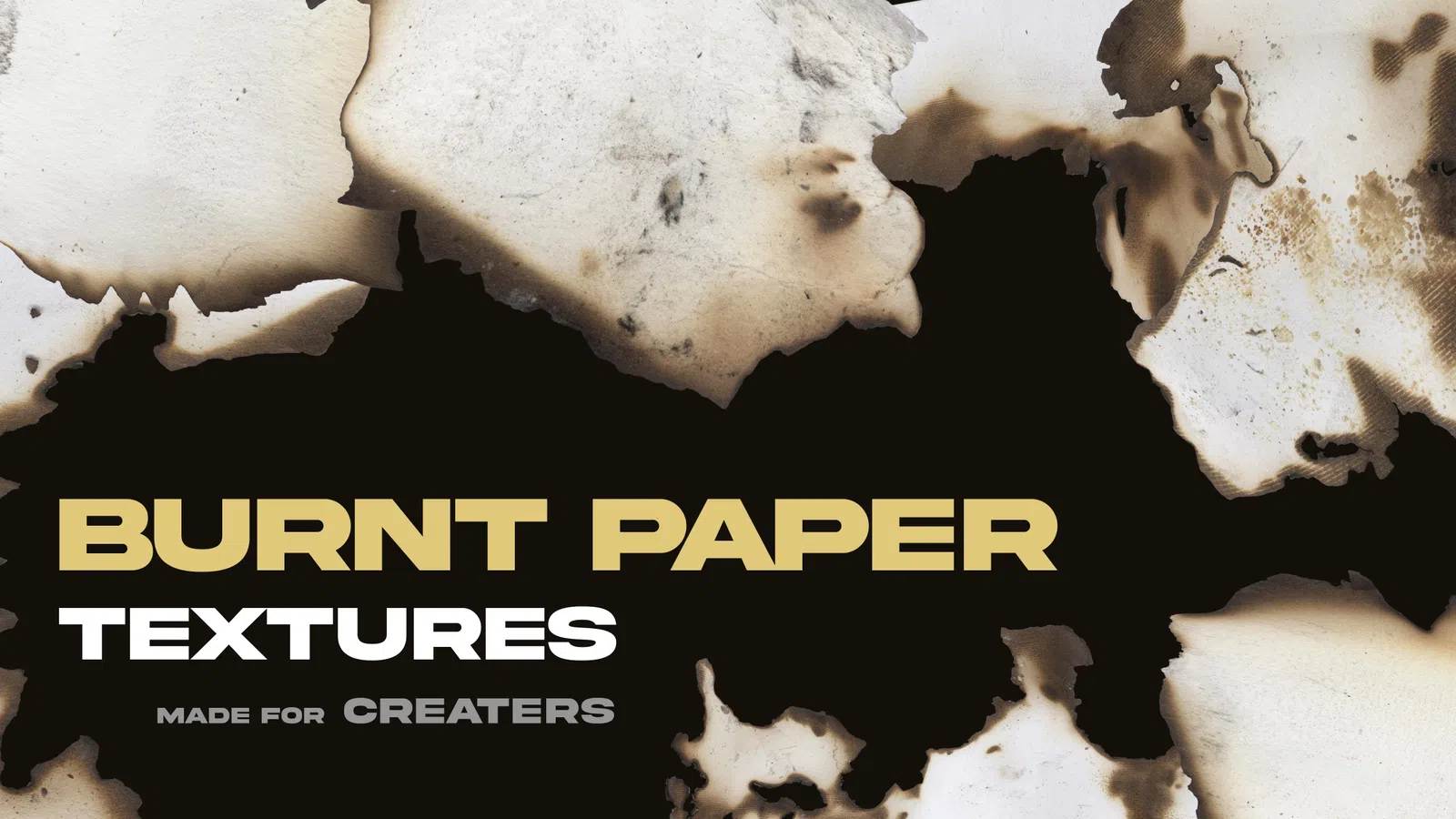
Torn Paper Layers

PNG

A clean, high-resolution texture and overlay set prepared for layered design workflows.

Textures

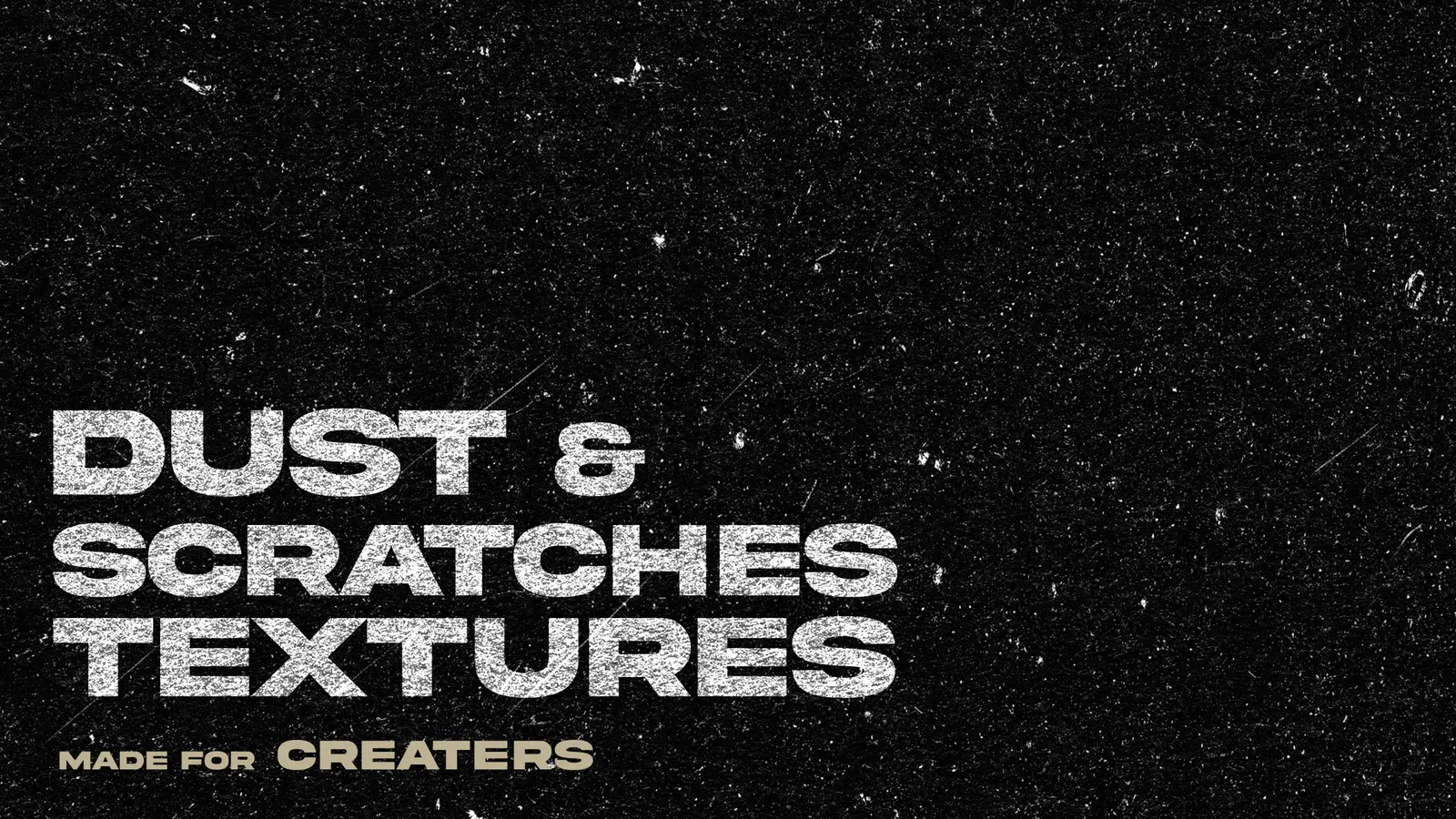
Dust and Scratches

PSD

A clean, high-resolution texture and overlay set prepared for layered design workflows.

Textures

Editorial Film Grain

JPG

A clean, high-resolution texture and overlay set prepared for layered design workflows.

Textures

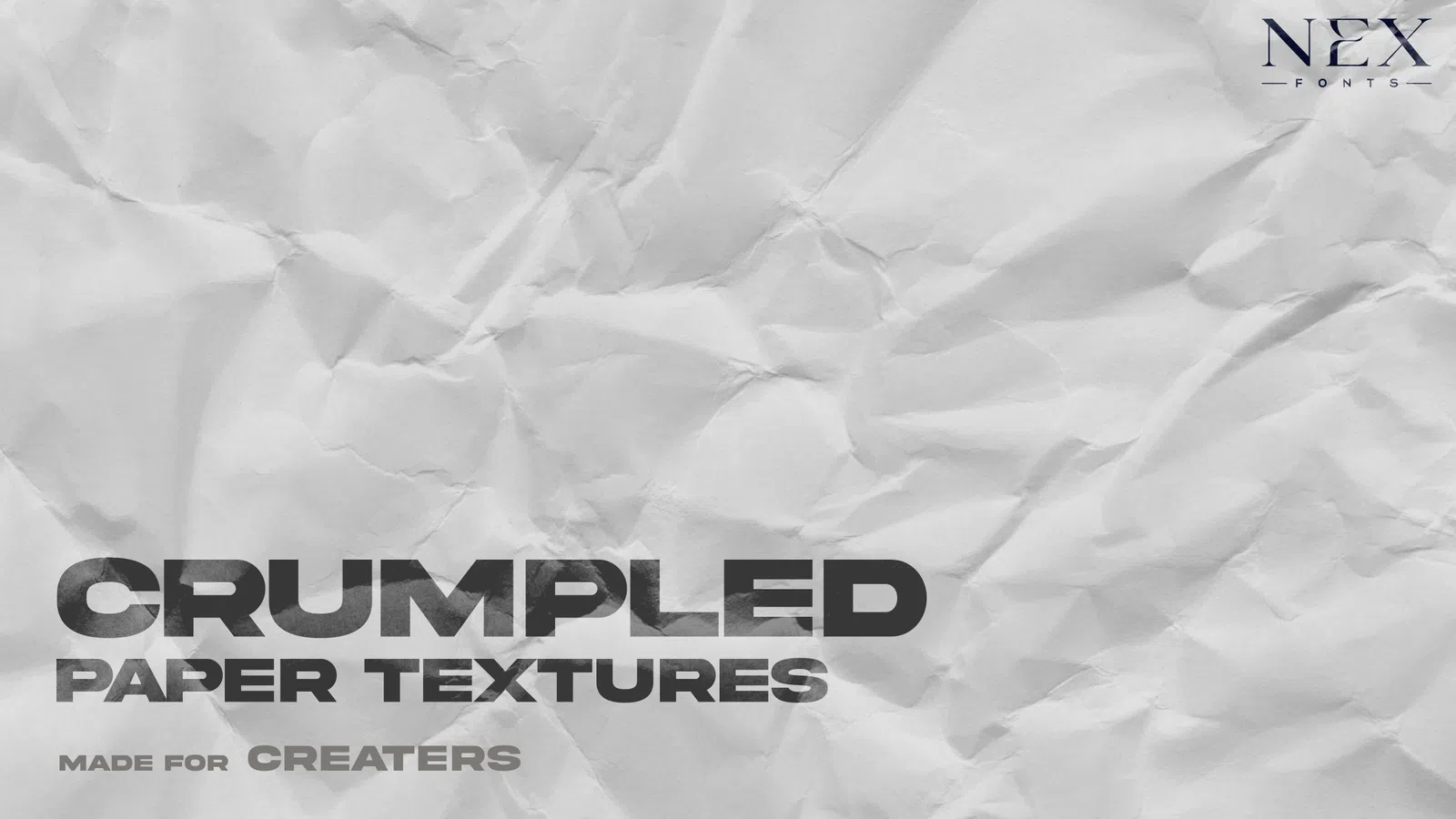
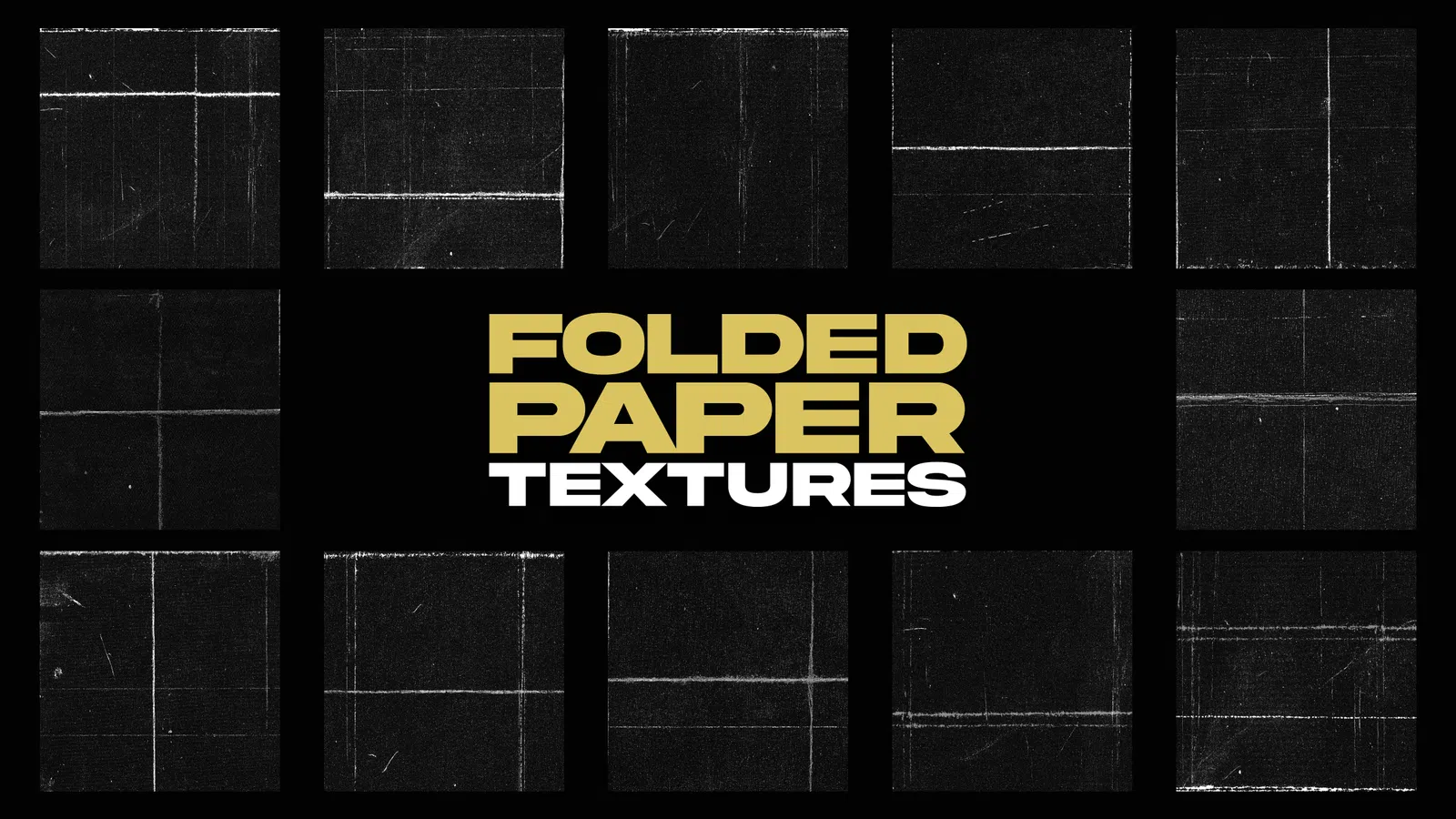
Folded Paper Shadows

PNG

A clean, high-resolution texture and overlay set prepared for layered design workflows.

Textures

Concrete Surface

PSD

A clean, high-resolution texture and overlay set prepared for layered design workflows.

Textures

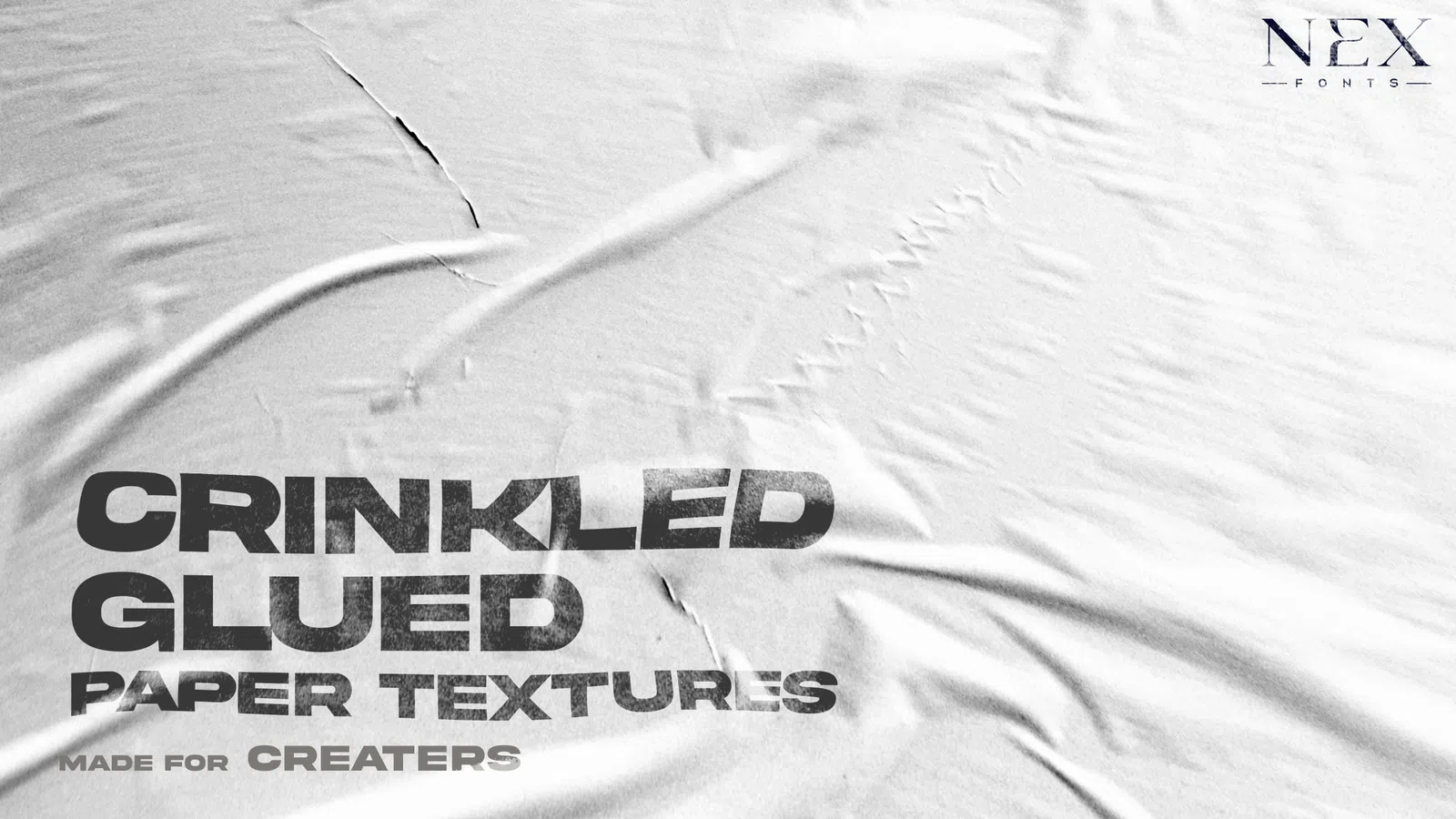
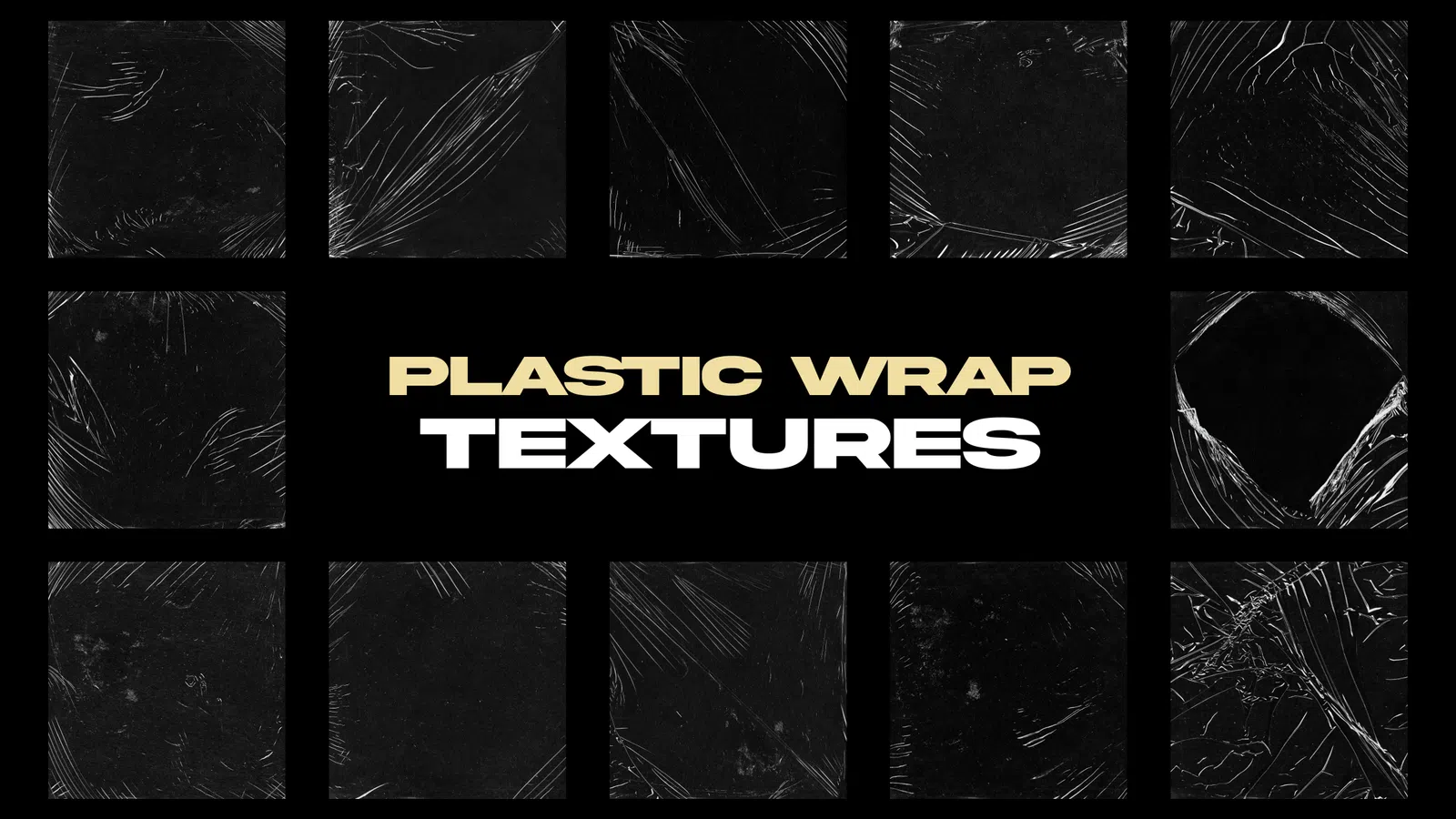
Plastic Wrap Overlays

JPG

A clean, high-resolution texture and overlay set prepared for layered design workflows.

Textures

Fine Canvas Texture

PNG

A clean, high-resolution texture and overlay set prepared for layered design workflows.

Textures

Vintage Print Noise

PSD

A clean, high-resolution texture and overlay set prepared for layered design workflows.

Textures

Recycled Paper Fibres

JPG

A clean, high-resolution texture and overlay set prepared for layered design workflows.

Textures

Ink Bleed Overlays

PNG

A clean, high-resolution texture and overlay set prepared for layered design workflows.

Textures

Fabric Grain

PSD

A clean, high-resolution texture and overlay set prepared for layered design workflows.

Textures

Subtle Light Leaks

JPG

A clean, high-resolution texture and overlay set prepared for layered design workflows.

Textures

Photocopy Distress

PNG

A clean, high-resolution texture and overlay set prepared for layered design workflows.

Textures

Organic Speckle

PSD

A clean, high-resolution texture and overlay set prepared for layered design workflows.

Textures

Matte Film Texture

JPG

A clean, high-resolution texture and overlay set prepared for layered design workflows.

Resource guide

Texture overlays for tactile, less-digital artwork

Texture overlays add believable surface detail to clean digital artwork without forcing you to rebuild the design. Paper grain, film dust, scratches, folds, photocopy noise and subtle light leaks can make posters, album covers, social graphics and brand visuals feel more physical and intentional.

For a modern workflow, start with one high-resolution texture, choose a blend mode that fits the source image, then lower opacity until the detail supports the composition. The strongest results usually preserve clean faces, small type and logos while letting texture live in backgrounds, shadows and larger display lettering.

Paper grain postersFilm and analog overlaysAlbum-cover textureEditorial collagePhotocopy distressLight-leak overlays

Practical workflow

  1. 1Place the texture above the artwork and scale it to cover the canvas.
  2. 2Test Multiply, Screen, Overlay and Soft Light rather than assuming one blend mode fits every file.
  3. 3Use a layer mask to protect faces, logos and small typography.
  4. 4Adjust Levels or Curves on the texture itself before stacking another overlay.

Guides for textures

Use these practical guides before downloading, editing or using a resource in client and commercial work.

FAQ

Questions about textures

What blend mode should I use for a texture overlay?

Multiply is a useful starting point for dark paper, grain and print textures; Screen is useful for light leaks, dust and bright overlays; Overlay and Soft Light can add contrast more gently. The best mode depends on the texture and the artwork underneath.

Are JPG texture overlays useful without transparency?

Yes. Full-frame grain, paper and film textures are often supplied as JPG files and combined with blend modes. PNG is more useful when the overlay needs transparent edges or isolated dust, scratches or light shapes.

How large should a texture be for print design?

Use a file large enough to cover the final print canvas at the intended output resolution without obvious upscaling. Check pixel dimensions before committing to a large poster, packaging or high-resolution export.

Can I combine several textures?

Yes, but keep the hierarchy controlled. Two complementary layers with deliberate masking usually look cleaner than many strong overlays competing with the subject and typography.

Can texture overlays be used commercially?

Only when the licence for the specific resource permits the intended commercial use. Keep the licence or readme with the project and do not redistribute the original source files unless that is explicitly allowed.

How do I make a texture look less like a repeated stock overlay?

Rotate, scale and mask the texture to fit the composition, then adjust contrast and opacity. Combining one subtle texture with project-specific colour and typography usually feels more intentional than stacking several strong effects.

Should texture sit above text and logos?

Usually keep important small text and logos cleaner. Mask heavy grain away from critical details, or place the texture below type when legibility matters more than a distressed finish.

Check the individual file details and licence before starting client or commercial work.